

What Is a Title Search and Why Is It Essential for Lenders in the B2B Industry?
In the B2B real estate sector, lenders play a crucial role in ensuring secure transactions. Before offering a loan, they must assess potential risks. One of the most important steps in this evaluation is conducting a title search. While this may seem like a simple procedure, it is vital in safeguarding the lender’s investment. A title search confirms the legitimacy of the property’s ownership and ensures no hidden legal claims could disrupt the transaction.
For businesses involved in real estate deals, a title search is more than a formality; it’s a protection against financial and legal complications. Whether the property is commercial, industrial, or office space, ensuring a clean and marketable title is critical. In the B2B industry, where risks are higher, the property title search process offers reassurance. It secures the deal’s future and minimizes potential risks.
When a lender offers credit to a business for purchasing or refinancing property, they assume financial risk. If the borrower defaults, the lender’s ability to recover the loan depends on their right to take possession and sell the property. If the title is compromised-due to liens, ownership disputes, or legal entanglements-it could delay recovery or reduce the property’s value. That’s why a title verification is necessary. It helps identify potential issues early, allowing lenders to make informed decisions.
In the B2B sector, where large-scale investments are at play, conducting a real estate title check is essential. This blog will explain how a title search secures real estate transactions, why it is indispensable for lenders, and how it helps businesses ensure legally sound and smooth deals.
What Is a Title Search?
A title search is the process of examining public records to determine the legal ownership of a property and identify any potential issues that could impact the transaction. The main goal is to ensure that the seller has the legal right to sell the property and that there are no other claims, such as liens or disputes, attached to it. In B2B transactions, this process is especially important due to the higher value and complexity of the properties involved.
A property title search goes beyond confirming ownership. It also ensures a smooth property transfer and protects buyers, lenders, and title companies from future legal challenges. By examining deeds, mortgages, tax records, and other relevant documents, a title search reveals any encumbrances or defects in the title, such as unpaid debts or competing ownership claims.
The Role of a Title Search in Real Estate Transactions
In the B2B industry, title searches are crucial for verifying the legitimacy of ownership and uncovering any potential problems that might disrupt a transaction. For lenders, this process helps mitigate risks by ensuring that the property they are financing has a clear title and is free from legal disputes. This reduces the likelihood of future complications during the loan process or, worse, when the property is sold in the event of a foreclosure.
For businesses purchasing commercial real estate, a title search is also essential in confirming that the transaction can proceed without legal challenges. These properties often have significant financial and operational implications, so ensuring that the title is clear is critical to moving forward confidently with the purchase or refinancing process.
What Can a Title Search Uncover?
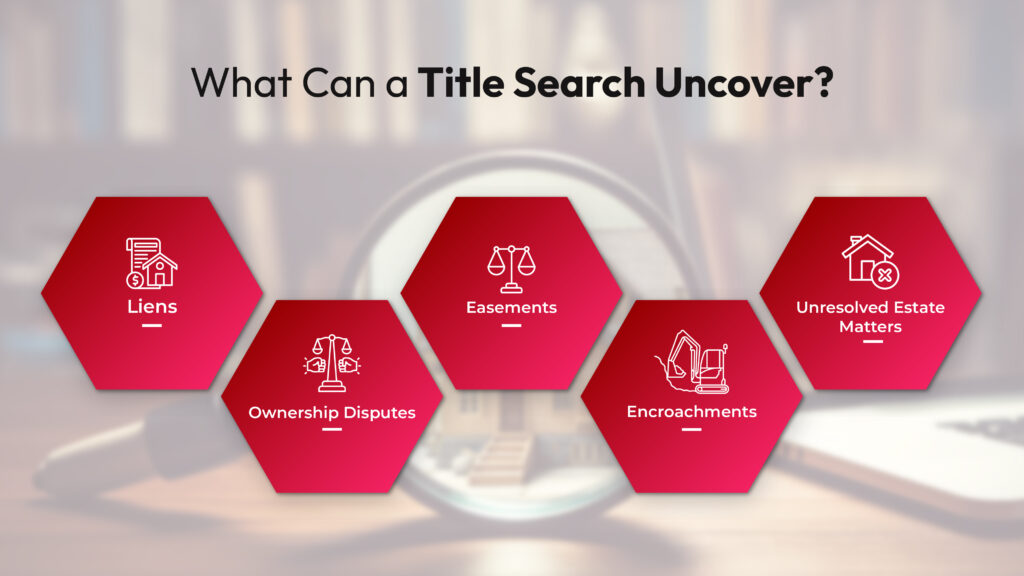
A title report will outline various details related to the property’s title, highlighting any potential issues that could cause complications during or after the transaction. Some common findings in a title search include:
- Liens: Legal claims placed against the property due to unpaid debts, such as mortgages, property taxes, or contractor fees. If a lien exists, it must be resolved before the transaction can proceed, as the lender could be responsible for clearing the debt in case of foreclosure.
- Ownership Disputes: Multiple parties may claim ownership of the same property. A title search helps identify the rightful owner, preventing the lender from being exposed to ownership challenges or fraud after the transaction is completed.
- Easements: An easement grants others the right to use part of the property for specific purposes, such as utility access. These easements can affect the property’s value or its intended use. For lenders, knowing about easements helps assess potential risks tied to the property.
- Encroachments: Encroachments occur when a neighboring property’s structure extends onto the land being sold. Such situations can create future legal issues and boundary disputes, so lenders must stay informed about these potential problems.
- Unresolved Estate Matters: When the property is inherited, unresolved estate or probate issues can complicate the title transfer. A title search confirms that the seller is transferring the property legally and that no lingering concerns remain about the estate’s distribution.
Why Title Searches Are Critical for Lenders?
For lenders, the primary goal is minimizing risk while ensuring they make sound financial decisions. A title verification is an essential part of this process. Here’s why it matters so much:
1. Ensures Clear Ownership
The first step in any real estate transaction is confirming that the seller has the legal right to sell the property. A title search guarantees that the seller is the true and sole owner, which is essential for lenders. If there is any ambiguity regarding ownership, the lender’s ability to seize the property in case of default could be jeopardized.
2. Uncovers Hidden Risks
A thorough real estate title check can uncover potential legal issues that could affect the property’s value or complicate the foreclosure process. Issues like unpaid liens, legal judgments, or ownership disputes are common risks that can derail a transaction. Detecting these problems early helps prevent costly and time-consuming setbacks.
3. Protects Against Financial Loss
If lenders discover a title defect after processing the loan, they risk financial loss. For instance, if they uncover a lien, they may need to settle it before proceeding with foreclosure. By identifying these issues early, a title search protects the lender’s financial interests.
4. Ensures a Smooth Closing
A title search resolves all potential issues before the transaction closes. If lenders uncover title defects after closing, these problems can delay the process or even cause the deal to fall through. By completing the search early, lenders create a faster and more efficient transaction that benefits all parties involved.
Traditional vs. Automated Title Search
In the past, conducting a title search involved manually reviewing public records at local courthouses. However, with advancements in technology, many companies now offer automated title search services, which streamline the process and reduce the time it takes to identify potential issues.
Automated systems use sophisticated software to quickly access and analyze public records, improving both accuracy and speed. For B2B lenders, using automated title search systems can save valuable time and ensure more reliable results. While these systems operate efficiently, experienced title professionals must still review all aspects of the title thoroughly to ensure accuracy.
How the Title Search Process Works?
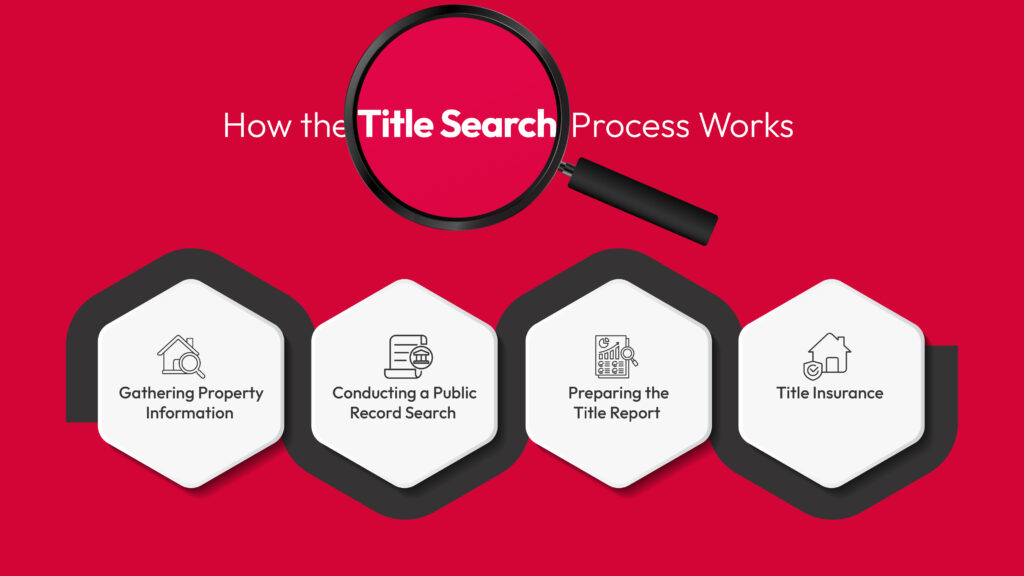
The title search process involves several key steps:
1. Gathering Property Information: The title search company or lender first collects information about the property, including the seller’s details and prior ownership history.
2. Conducting a Public Record Search: After gathering the information they search for public records-deeds, tax records, liens, and legal judgments-to confirm ownership and identify any encumbrances.
3. Preparing the Title Report: Once the search is complete, the title team prepares a report that summarizes all findings and highlights any issues that may affect the transaction.
4. Title Insurance: In most cases, lenders require title insurance to safeguard their financial investment and protect against unforeseen title issues that may arise in the future.
Why Title Searches Are Essential for Lenders?
In B2B real estate transactions, a title search is a crucial step in ensuring that a property’s title is clear and free from legal disputes. For lenders, it serves as a safeguard against financial loss, legal issues, and delays in the transaction process. By conducting a thorough title search, lenders can mitigate risks, protect their investments, and facilitate a smoother closing process. In an industry where large-scale investments are common, understanding the importance of a title search can help ensure the long-term success and security of every transaction.
In The End
If you’re a lender or a business involved in real estate transactions, make sure you’re protecting your investments with a thorough title search. Partner with a trusted title support provider like Invisia BPO to ensure that your transactions are secure and free from legal complications.
Contact us today to learn more about our comprehensive title search services and how we can help you close your deals confidently and efficiently.